
Any story.
You in it.
Step into a novel already in motion—or begin your own. You direct every scene. The engine writes literary prose.
Free to start. No signup, no card, no subscription.
Make him almost say it — then the doorbell.
You direct from inside the scene or outside it. The engine turns that direction into prose you would want to read back. No prompt engineering. Short, specific direction wins.
You’re the director
Act
“She opens the letter.”
Write what your character does, says, or thinks. The engine writes the scene around you.
Speak as anyone
“Have the captain lie about the fuel.”
Put words in any mouth and thoughts in any head. Introduce an event. Change the weather.
Step outside
“Slow down. Let the silence do the work.”
Direct the narrator between beats. Set the pace, tension, voice, and what remains unsaid.
Chapter nine remembers chapter two
Scenes work like chapters. When one ends, the story carries forward what matters—a promise, a lie, the thing nobody said aloud. Long scenes compress automatically, so the thread survives without making every new turn more expensive. Scene summaries are free.
How To→The story doesn’t flinch.
Fiction needs desire, danger, contradiction, and consequence. Underfiction follows the scene instead of interrupting it. No disclaimers. No moralizing. Your direction stays inside the story.
Push the story. The best scenes come from risks.
Give the story a face. Then a voice.
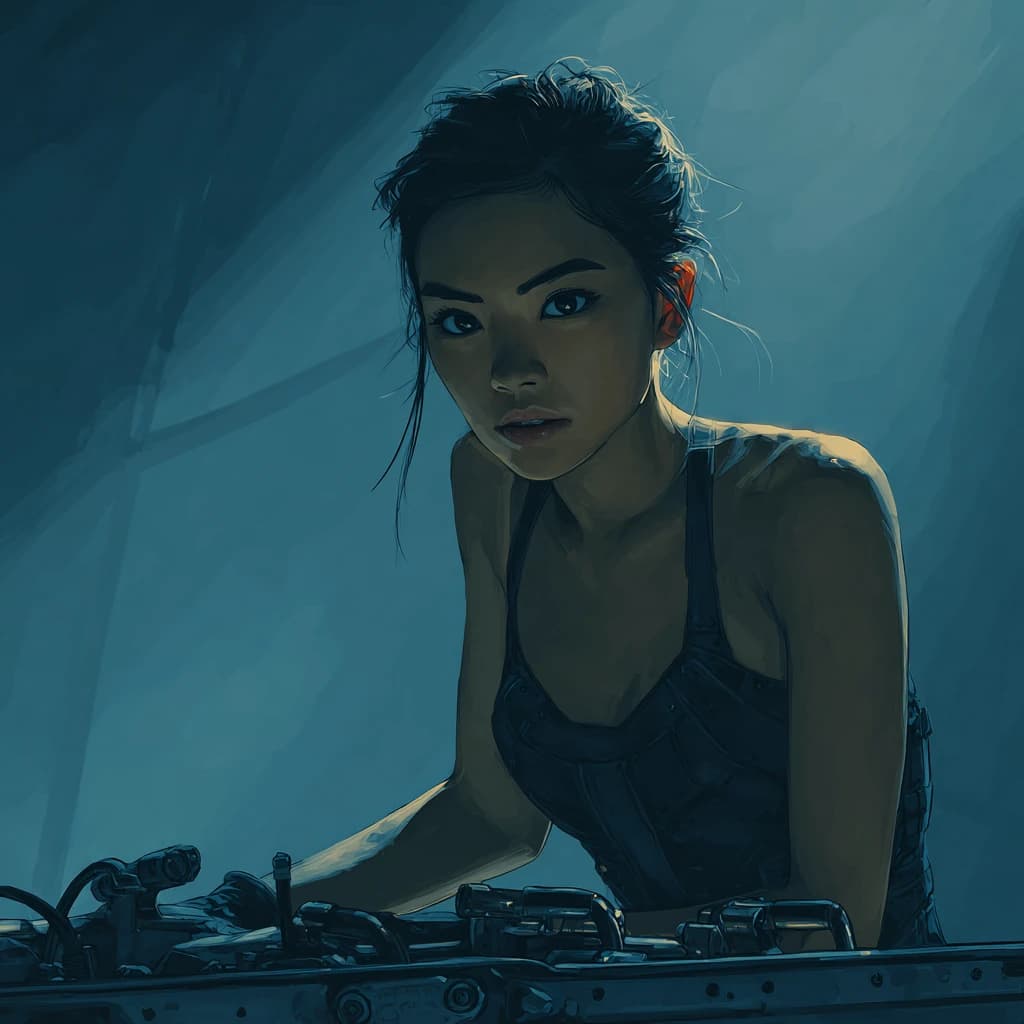
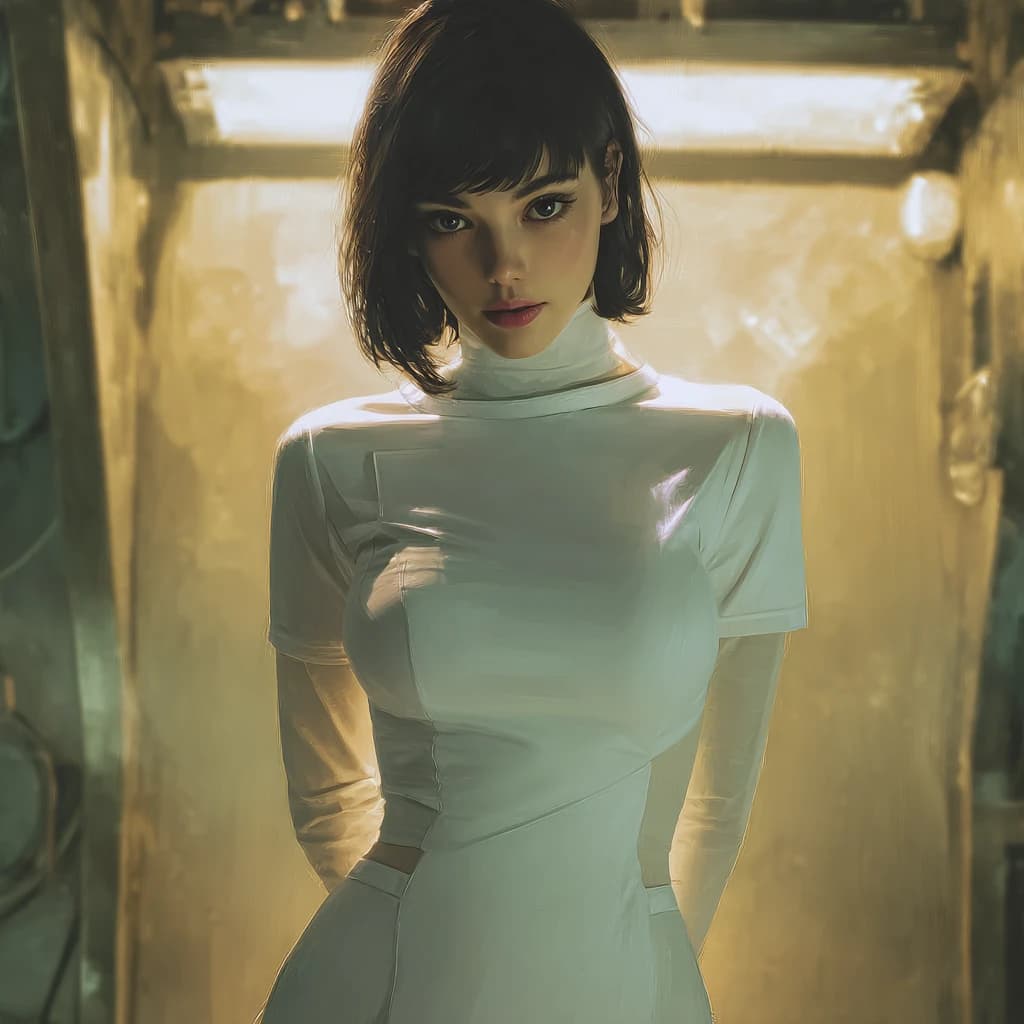
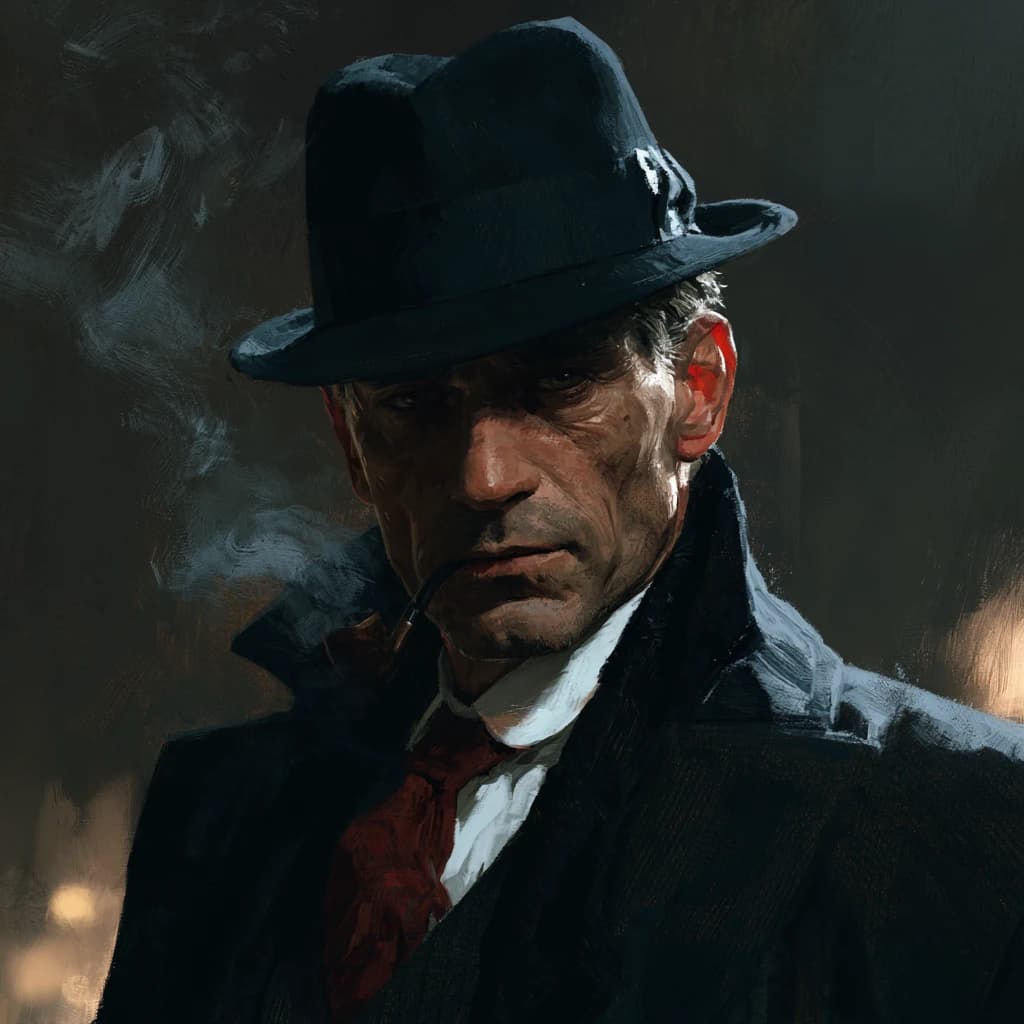
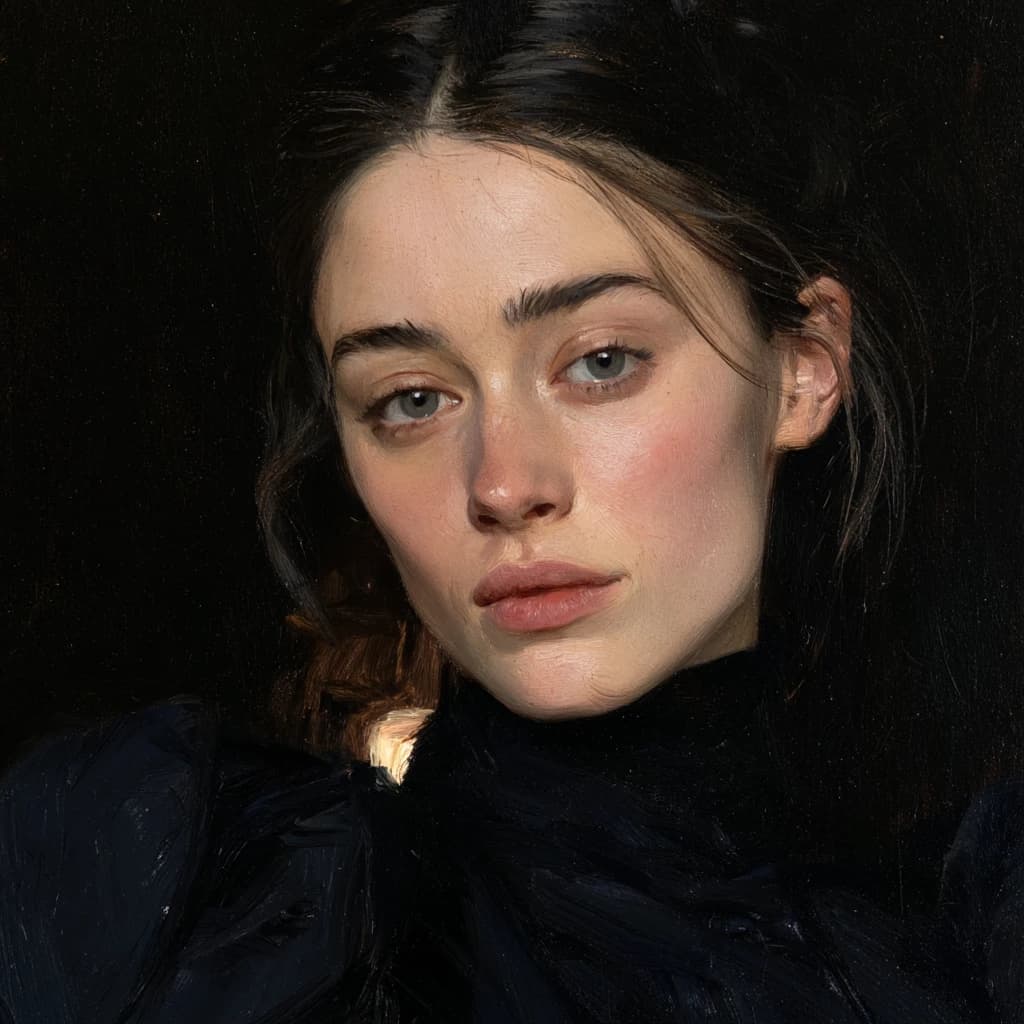
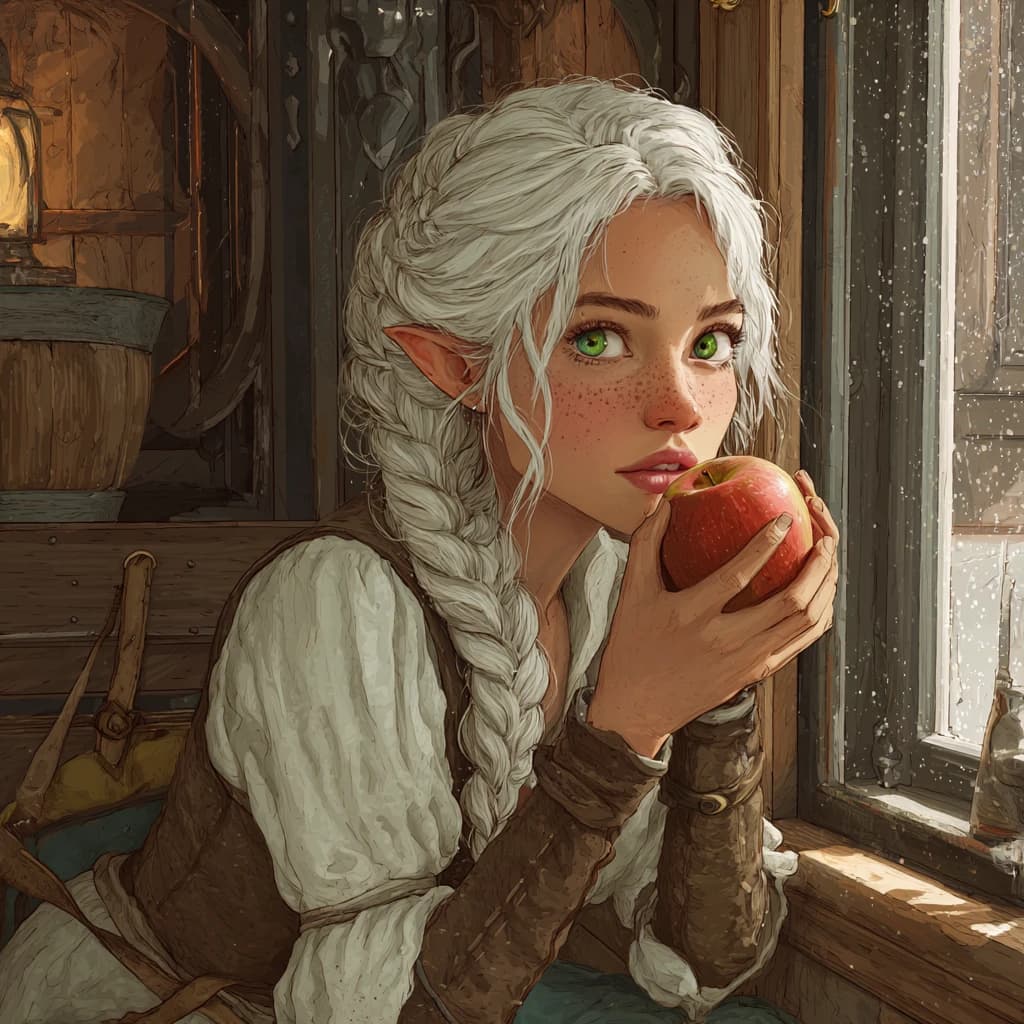
Attach an image and the narrator writes from what it sees. Generate portraits and scene art, set a reader backdrop, animate a moment, or have any passage read aloud.
Made inside the story. Kept inside the story.



Write on any device. Carry the library yourself.
Underfiction runs on web, iOS, and Android. One portable file moves your stories, worlds, characters, and media between them.
Private by default. Yours on every device.
Stories, characters, and worlds follow you to every device you sign in on. Stories are encrypted at rest on our servers, and we don't read them. One switch turns sync off — then your library lives on that device alone, and goes when it goes. Export a portable Underfiction file whenever you want.
Learn more about privacyCredits, not subscriptions
Frontier models are expensive to run. Credits let Underfiction offer them without subscriptions, ads, or compromises on model quality. Buy words when you want them. Nothing expires while the story waits.
Choose the story
Start with a familiar tension, then take it somewhere only you would.
Browse every trope →Read before you write.
Frequently asked questions
What is Underfiction?
Underfiction is an AI-powered interactive fiction platform. You choose or create a world, set a scene, and write collaboratively with frontier language models that produce literary-quality prose — not chatbot replies.
Is Underfiction free?
You can open a scene in the browser and start writing without an account. New accounts get free credits when you confirm your email. After that, you pay only for the AI tokens you use — no subscriptions, no ads, no free tier subsidized by your data.
Do I need an account to start?
No. Open a scene and write: the first turns need no sign-up, no login and no email address. An account comes in when you want to keep going. It is free, and it brings free credits once you confirm your email. Nobody asks for an ID or a face scan, before or after.
What AI models does Underfiction use?
Underfiction offers Fable, Opus, Grok, and Gemini. All models are accessed through a privacy-preserving inference layer that separates your identity from your prompts. You can switch models mid-scene.
Is Underfiction uncensored?
Yes. Underfiction runs frontier models through an inference layer where they follow creative direction more faithfully than they do through official APIs. We don't add content filters, refusals, or moralizing. Literary fiction routinely contains violence, desire, and moral complexity — an AI that can't engage with those elements can't write fiction worth reading.
Is Underfiction an AI drama app?
Not the video kind. Underfiction is drama on the page: scenes, subtext, betrayals and reconciliations, written in literary prose with you directing every turn. There are no episodes to watch and no script you can't change. You decide what she says when she opens the letter, and the story follows. No filters, no refusals.
Can Underfiction generate images and video?
Yes. You can generate portraits for your characters and images of your scenes, set a scene image as the reader background, and animate any image into a short video clip — all inside the story, paid with the same credits as prose.
Does Underfiction store my stories?
Signed in, stories, characters, and worlds sync by default so your library reaches every device. Stories are encrypted at rest with keys we hold to operate the service; we don’t read them. Turn sync off in Settings to keep everything on one device. Either way you can export any story with its media, characters, and world — or your complete library — as a portable .underfiction file.
How is Underfiction different from Character.AI?
Character.AI is a social platform with community characters and strict content filters. Underfiction is a private writing tool — private by default; publish only if you choose. It supports portable files and frontier models that produce literary prose instead of chatbot dialogue.
Can I create my own characters and worlds?
Yes. You can build a world from scratch — any setting, any tone, any cast of characters. Define their personalities, desires, tensions, and histories, then step inside and see what happens.
Can I import characters from SillyTavern or other apps?
Yes. Underfiction imports and exports portable .underfiction files for stories, media, characters, and worlds. It also imports Tavern V2 character cards as PNG or JSON and world books as JSON, so it remains compatible with SillyTavern, Chub, and the wider character-card ecosystem.
How do long stories work without the AI forgetting?
Underfiction uses a scene-based architecture. Scenes work like chapters: each has its own context, and when a scene ends it gets summarized and carried forward. Stories can run for dozens of scenes without the model losing track of characters or plot — and summaries are free.